THC
THC
Understanding THC: Effects on the Body and Potential Benefits

Understanding THC: Effects on the Body and Potential Benefits
Interaction with the Endocannabinoid System 🦴:
Let's talk about how THC interacts with something called the endocannabinoid system in your body. This system controls many things in your body. When THC connects with certain parts in your brain, it makes changes in how your brain communicates.
- CB1 Receptor Impact: THC starts things off by activating CB1 receptors in the brain, causing changes in the way the central nervous system works.
- Neurotransmitter Shift: THC's connection with CB1 receptors leads to a surge in dopamine, a chemical in the brain. This isn't just about feeling good; it's what causes the happy feeling when you use THC.
- Euphoria, Memory, and Coordination: Too much dopamine brings on the happy feeling. But, it's not all good – THC can also affect memory and coordination, reminding us that there are both good and not-so-good parts.
- Short-term Vibes: Right after using THC, you might feel like time is passing quickly, your heart is beating fast, and you become more creative. These are short-term effects that make THC popular for fun.
- Long-term Check: Besides the quick good feeling, it's important to think about what happens if you use THC a lot. Using it a lot might cause problems with thinking, so it's important to find a balance between feeling good now and thinking about the future.
Influence on Neurotransmitters and Brain Functions 🧠:
THC does something interesting to your brain. It works with chemicals called neurotransmitters, especially dopamine, which makes you feel happy. This makes the experience of using THC enjoyable for many people.
But, there's more to it. THC's effect on neurotransmitters also involves memory and coordination. It can affect how you remember things and how well you can move. So, while using THC can feel great, it's important to know that it also has some effects on how your brain works.
A Closer Look 👀:
| Neurotransmitter | Effects |
|---|---|
| Dopamine | Makes you feel happy and rewarded. |
| Memory | Affects how you remember things. |
| Coordination | Influences how well you can move. |
Understanding how THC affects neurotransmitters and brain functions helps us see the full picture. It's like a colorful experience where feeling happy blends with thoughts about memory and coordination. Being aware of these effects adds depth to our understanding of how the cannabis plant interacts with the human brain.
Editor’s Pick 😋
Lazydaze Mary Jane - Specialty Tea

Recommended Dosage: 20 MG THC Infusion
Use code “MaryJane” for 10% off
** Infusions limited to state policy **.

Recreational Use ☀️
The "High" and How It Feels
Learn about how THC can make you feel different. It's like a journey where you might feel relaxed or see things in a new way. Different types of THC and ways to use it can change how you feel.
How to Use It
Find out how to use THC. Some people smoke or vape it for a quick feeling, while others eat or use drops for a slower, longer-lasting effect. There are different ways to enjoy it based on what you like.
Types of THC Products
| Flower | Dried cannabis that can be smoked in joints or pipes. |
| Concentrates | Highly potent extracts, often used in dabbing or vaping. |
| Vapes | THC-infused vaporizer products, providing a smoke-free option. |
| Edibles | Cannabis-infused food products, offering a discreet and longer-lasting experience. |
Types of THC
Discover the different kinds of THC. Some make you feel calm, while others can give you more energy. It's like exploring different flavors and effects to find what you enjoy.
Strain Types
| Sativa | Energizing and uplifting strains. | Increased creativity and focus. |
| Indica | Relaxing and calming strains. | Helps with relaxation and sleep. |
| Hybrid | Combination of Sativa and Indica. | Varied effects based on the specific strain's characteristics. |
Medical Use 💊
Exploring THC's Healing Potential
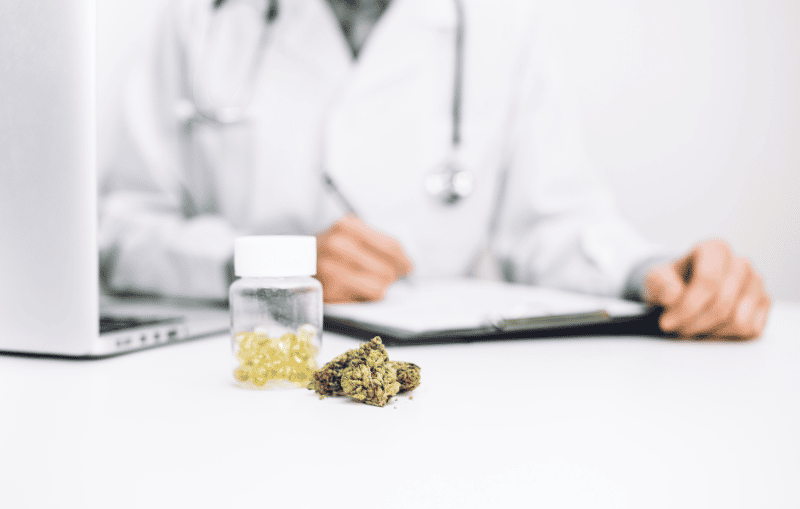
THC, or tetrahydrocannabinol, goes beyond recreation, offering promising therapeutic relief for various medical conditions. It proves helpful in alleviating chronic pain, nausea, muscle spasms, and insomnia, significantly improving the quality of life for individuals facing health challenges.
Conditions Addressed by THC
Patients with conditions such as cancer, HIV/AIDS, multiple sclerosis, and epilepsy may receive prescriptions for THC-containing products. These prescriptions aim to alleviate symptoms like chemotherapy-induced nausea, neuropathic pain, and muscle spasticity in multiple sclerosis.
Current Research and Future Developments
The medical applications of THC are a dynamic field of research, with ongoing scientific investigations exploring its potential to treat a wider range of medical conditions and enhance existing therapies. Stay informed about the evolving landscape of THC in medical science.
Benefits of THC
Exploring Tomorrow's Treatments: Ongoing THC Research
THC, like a superhero, is continually evolving as scientists delve into new ways it can enhance health. The ongoing research journey holds the promise of uncovering novel treatments and expanding THC's role in improving overall health.

Side Effects and Risks 🚨
Short-term and Long-term Health Risks
Short-term use may lead to altered cognitive and motor skills, increased heart rate, and temporary memory impairment. Long-term use can result in addiction and cognitive deficits, particularly in those who use THC excessively and without moderation.
Dependency and Addiction Concerns
Just as with other substances, some individuals may develop a dependency on THC, particularly with excessive or inappropriate use. Support and treatment options are available for those who experience dependence or addiction. It's essential to use THC responsibly, understanding your own limits and knowing when to seek help if needed.
Harm Reduction Strategies
For those who choose to use THC recreationally, responsible consumption is essential. This means being mindful of your own tolerance, choosing appropriate strains, and understanding the potential risks. If you're using THC for medical purposes, it's crucial to consult with a healthcare professional who can provide guidance on dosages and potential side effects.
Understanding Cannabis Laws and Rules ⚖️
Know Your Local Cannabis Laws
Learning about THC is cool, but it's also important to know the rules. Different places have different laws about cannabis and THC. Make sure you know what's okay where you live, whether you're using THC for fun or if a doctor says it's okay.
People Want Cannabis
While we're talking about THC, some people really want everyone to be able to use cannabis. They believe it can help people feel better, whether for fun or when they're sick. They're working hard to make it legal everywhere.
In the end, whether you're using THC for fun or to feel better, it's essential to be smart about it. Learn what you can, stay safe, and speak up if you think cannabis can help people.
Want to stay updated on what's happening with cannabis?
Check out the 'In the Weeds' blog series!
National Cannabis News Roundup 🗞:
Explore the latest developments in the cannabis world, from groundbreaking legalizations in New York and Virginia to a Canadian study suggesting cannabis compounds could block COVID-19, as we delve into industry insights on record-breaking U.S. cannabis sales, companies going public, health benefits, and community spotlights, all brought to you by Lazydaze + Coffeeshop...
References:
- "The Health Effects of Cannabis and Cannabinoids: The Current State of Evidence and Recommendations for Research"
- "Tetrahydrocannabinol: Behavioral Effects and Their Neural Bases"
- "Cannabis and Cannabinoids (PDQ®) – Health Professional Version"
- "The Endocannabinoid System: A New Treatment Target for Obsessive Compulsive Disorder?"